

Diploma in Acupuncture (D.Ac.) Level - I
- Course Code :- D.Ac.
Duration: 4 Months
Eligibility: Senior Secondary / Equivalent OR Candidates with practical experience in Acupuncture Therapy
Course Details
Course Details
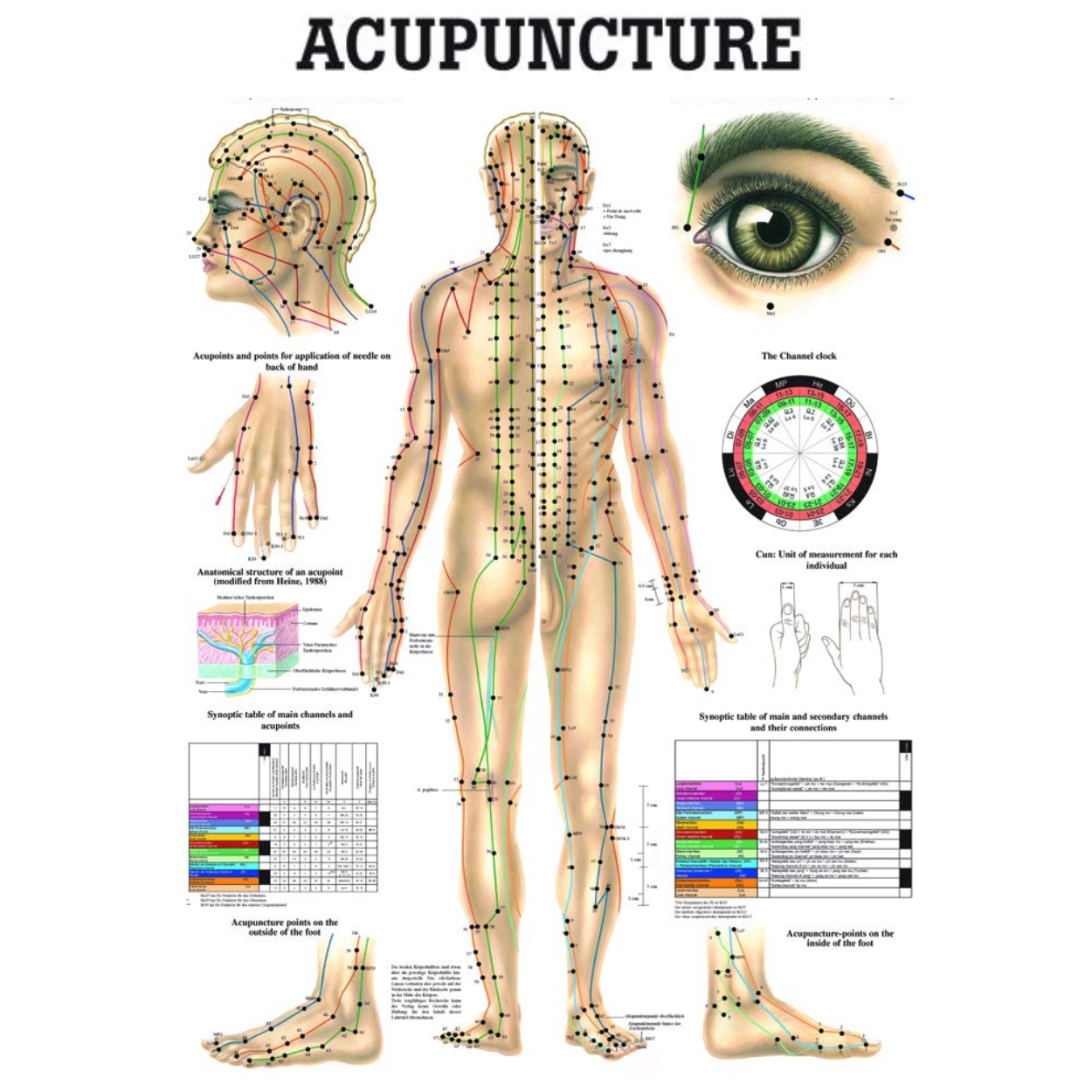
Diploma in Acupuncture (D.Ac.) Level – I is an ancient healing method that focuses on restoring the body’s natural balance through energy pathways and meridian points. This traditional therapy, historically known as Suchi Bedan, has evolved into modern Acupuncture, widely practiced across the world. Today, it is officially recognized by the World Health Organization (WHO) as an effective alternative treatment system.
This course introduces students to the foundational concepts of acupuncture points, meridian theory, Qi flow, and natural healing principles, helping them understand how the body responds to stimulation without medicines. Through safe, simple, and affordable techniques, learners can support the prevention and relief of many health concerns.
The purpose of the Diploma in Acupuncture Level – I is to empower individuals to maintain good health and provide natural care to family, friends, and community members. Because this therapy is non-invasive, holistic, and cost-effective, it becomes an excellent choice for anyone seeking natural healing or wishing to build a strong base for advanced acupuncture studies.
- Correspondence / Distance Learning: You receive a study kit (books, charts, notes, instruments) via postal mail or online.
- Online Mode: Lessons are conducted via software/Zoom with digital materials and remote support.
- Workshop / Centre / Sunday Sessions: Live in-person sessions or online weekend sessions are offered for hands-on practice.
After completing the full Diploma in Acupuncture (D.Ac.) Level – I syllabus, students must appear for a structured examination designed to assess their foundational knowledge of acupuncture therapy, meridian concepts, and clinical application skills.
Exam Format: MCQ (Multiple Choice Questions)
Passing Criteria: Minimum 40% or C Grade
Students who qualify the exam will be awarded the Diploma Certificate in Acupuncture (D.Ac.) Level – I, which certifies their understanding of basic meridian pathways, acupuncture points, needle techniques, and therapeutic applications.
This evaluation ensures that learners develop clear knowledge of traditional acupuncture principles, safe practice methods, and the ability to apply beginner-level acupuncture techniques effectively in wellness, preventive health care, and supportive therapeutic environments.
Students who successfully complete the Diploma in Acupuncture (D.Ac.) Level – I may choose to undergo a professional internship at a recognized acupuncture clinic, TCM (Traditional Chinese Medicine) centre, naturopathy hospital, wellness centre, physiotherapy unit, or alternative healing clinic.
This internship helps students apply their foundational acupuncture skills and gain real-world treatment experience.
This internship offers:
- Hands-on practical training in basic acupuncture needling techniques
- Real patient interaction for various pain, stress, and lifestyle-related conditions
- Live case study exposure to understand diagnosis & meridian-based treatment
- Supervised assessment & treatment sessions guided by expert acupuncture therapists
- Practical experience in meridian therapy, acupoint selection, and treatment protocols
- Opportunity to observe professional clinical setup and patient management
During the internship, students apply their classroom learning in a real therapeutic environment, build confidence, and refine their practical skills as emerging Acupuncture Practitioners.
This exposure strengthens their foundation, preparing them for clinical practice, advanced acupuncture studies, or independent treatment services in the future.
After completing the Diploma in Acupuncture (D.Ac.) Level – I, students gain several professional and career advantages:
- Provides a strong foundation in Traditional Acupuncture, helping students understand the ancient healing system known as Suchi Bedan.
- Offers complete learning of meridian pathways, vital energy (Qi/Chi), and acupoint location, enabling effective therapeutic application.
- Teaches drug-free, non-invasive treatment methods, promoting natural healing without side effects.
- Students learn to treat common health issues, pain conditions, and lifestyle disorders through safe needle techniques.
- Builds confidence to practice basic acupuncture therapy for maintaining better health and supporting natural body balance.
- Opportunity to work in naturopathy centers, acupuncture clinics, wellness units, physiotherapy setups, and alternative therapy institutions.
- Enables learners to assist family members, relatives, and community using traditional Chinese medicine principles.
- Training is economical and provides knowledge of a system recognized by the World Health Organization (WHO) as an effective treatment method.
- Students may receive practical exposure to real therapy conditions, helping them build essential clinical skills.
- Prepares learners for higher education such as Advanced Acupuncture, Master Diploma, or specialized acupuncture courses.
The Diploma in Acupuncture (D.Ac.) Level – I includes a structured and comprehensive syllabus:
Human Anatomy
Students learn the basic structure and functions of the human body, helping them understand how acupuncture points and meridians influence internal organs and systems.
Definition of Acupuncture
Covers the scientific and traditional meaning of acupuncture, explaining how needle stimulation activates the body’s natural healing response.
Introduction to Acupuncture
Provides an easy understanding of acupuncture as a drug-free and holistic healing method, used worldwide for pain relief and wellness.
History of Acupuncture
Explains the ancient origins of acupuncture, its evolution through centuries, and its recognition as a traditional Chinese medical practice.
Science of Acupuncture & Yin-Yang Concept
Introduces the Yin-Yang principle and the scientific basis of energy flow that maintains body balance and promotes healing.
Classification of Acupuncture
Students learn different categories of acupuncture, such as body acupuncture, micro acupuncture, and ear acupuncture, and their therapeutic uses.
Meridian – Introduction on Channel
Covers the concept of meridian pathways, explaining how energy (Qi) travels through channels to keep the body healthy.
Five Element Theory
Students study the Five Elements (Wood, Fire, Earth, Metal, Water) and how they relate to organs, emotions, energy cycles, and disease patterns.
Meridian-ology – Energy Balanced Therapy
Helps students understand energy balancing techniques using meridian mapping, point selection, and healing principles.
12 + 2 Meridians – Detailed Explanation
Provides clear knowledge of all 14 meridians, their location, function, and the diseases related to each channel.
Instruments & Their Uses
Covers various acupuncture instruments, including types of needles, needle techniques, sterilization, and safety guidelines.
Position of Patient and Therapist
Teaches correct posture and positioning for both patient and therapist, ensuring safe, effective, and comfortable treatments.
Instructions & Precautions for Acupuncture Treatment
Explains essential safety rules, contraindications, and treatment precautions to prevent complications and enhance results.
Disease and Diagnosis
Students learn basic diagnostic methods, including pulse reading, tongue observation, symptom analysis, and pattern identification.
Suggestions for Practical Instruments & Treatment
Guidance on choosing proper tools like needles, magnets, probes, and acupressure devices for therapy practice.
Treatment by Needles, Pressure, Magnet on Acupoint
Covers practical treatment techniques using needling, acupressure, magnet therapy, and stimulation of specific acupoints for healing.
- This course is available in both English and Hindi medium.
- It can be completed regularly (in-person) or through correspondence (distance learning) mode.
- Students must attach one photograph, ID proof, educational certificate, and experience certificate along with the application form.
- Upon successful completion of the course, you will receive an official certificate from the institute.
- Payment can be made via cash or Upi.
- Boarding and lodging facilities are available but at your own expense.
- For correspondence students who wish to take practical training, 3-day practical classes are available at the institute or authorized centers for an extra fee of ₹3,500 (India) or $100 (foreign students). (This option does not include a study kit or certificate).
- Course materials such as instruments, literature, charts, and books are included in the course package for enrolled students.
